

Owning property comes with many responsibilities, and misunderstandings can quickly escalate into disputes. Whether it’s between neighbors, tenants, or co-owners, property conflicts can be stressful, costly, and time-consuming. Common disputes often involve boundaries, shared spaces, maintenance responsibilities, or noise complaints. Understanding the root causes of these conflicts and taking proactive steps to prevent them can save homeowners and property managers unnecessary trouble. By addressing potential issues early and maintaining clear communication, you can protect both relationships and investments while ensuring a smoother property experience.
Boundary and Fence Disagreements
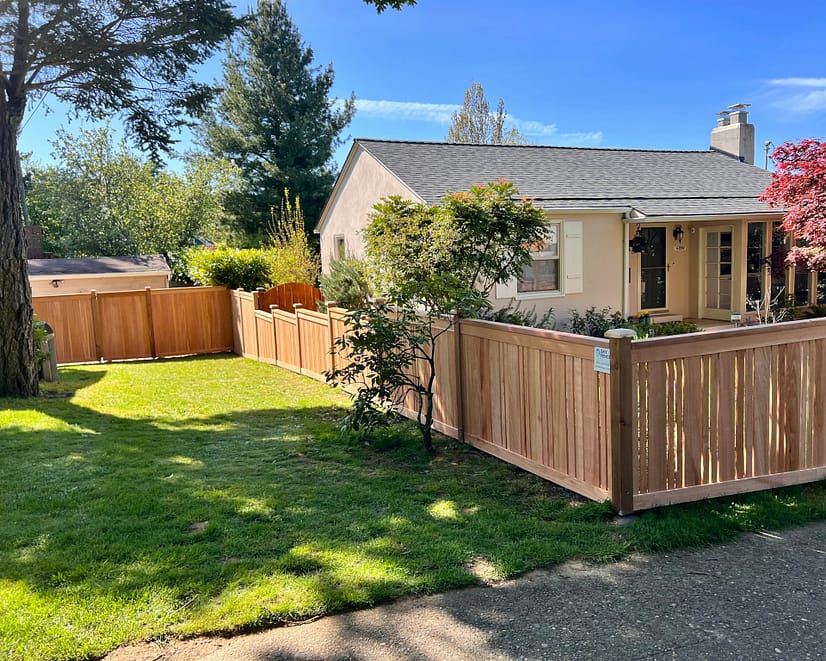 One of the most frequent property disputes arises from unclear boundaries. Homeowners may have differing interpretations of property lines, leading to conflicts over fences, landscaping, or extensions. Even small misunderstandings can escalate if not addressed promptly. To prevent these disputes, it’s essential to verify property lines with a professional survey before making any changes near borders. It creates a clear reference point that can settle disagreements before they start.
When planning fences or landscaping, communicating openly with neighbors is key. Discussing intentions and gaining agreement on shared boundaries fosters goodwill and reduces the risk of conflicts. Written agreements or formal easements can provide additional legal clarity, ensuring both parties understand responsibilities and limitations. Clear documentation protects all involved and minimizes misunderstandings over property limits.
Issues with Shared Spaces and Maintenance
Shared spaces, such as driveways, gardens, or common walls, are another source of tension. Conflicts often arise over maintenance responsibilities, cost-sharing, or usage rights. Without clear agreements, disputes can become personal and difficult to resolve. Creating formal arrangements in writing helps outline who is responsible for upkeep, repairs, and related expenses, ensuring fairness and accountability. Regular communication about maintenance schedules or upcoming work can also prevent surprises. Discussing plans in advance, seeking consensus on expenditures, and documenting agreements help maintain trust. Being proactive reduces friction and prevents small issues from escalating into serious disputes. Property owners who manage shared spaces thoughtfully often avoid long-term conflicts.
Noise, Nuisances, and Lifestyle Conflicts

Noise complaints, pets, and other lifestyle-related issues are frequent triggers for property disputes. What one person considers normal may be disruptive to another. Addressing these concerns early and respectfully is crucial to maintaining neighborly relationships. Setting reasonable expectations and following local ordinances regarding noise, pet ownership, or use of shared facilities minimizes the risk of conflict. In addition, documenting complaints or incidents can help resolve disagreements if they escalate. Open dialogue, empathy, and compromise often lead to satisfactory solutions without legal intervention. Taking preventative steps helps avoid tension, preserves relationships, and contributes to a more peaceful living environment.
Property disputes are common, but avoidable with preparation, communication, and clear agreements. Understanding potential sources of conflict and addressing them proactively reduces stress and preserves relationships. Documentation, surveys, and written agreements provide clarity and legal protection, while respectful communication fosters cooperation and understanding. By taking these steps, property owners and tenants can minimize disputes, protect their investments, and enjoy a harmonious living or working environment.